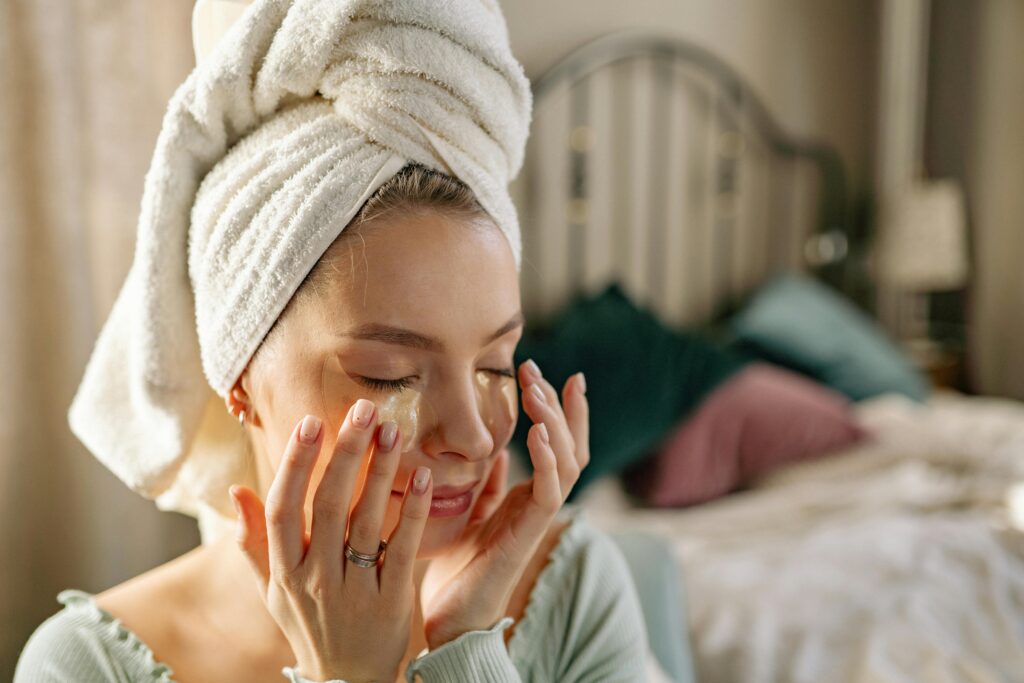
Ingredients to Avoid for Sensitive Skin (And What to Use Instead)
If your skin is constantly reacting, it’s tempting to blame your routine: too many steps, too many products, too much trial and error. And honestly, that’s often part of it.
But a lot of the time, the real issue isn’t just how many products you’re using. It’s what’s actually in them.
The frustrating part is that some of the most common ingredients in skincare (the ones showing up in products marketed as gentle, clean, or even dermatologist-approved) are also the ones most likely to irritate sensitive skin. So if you’ve been doing everything “right” and your skin is still reacting, this might be why.
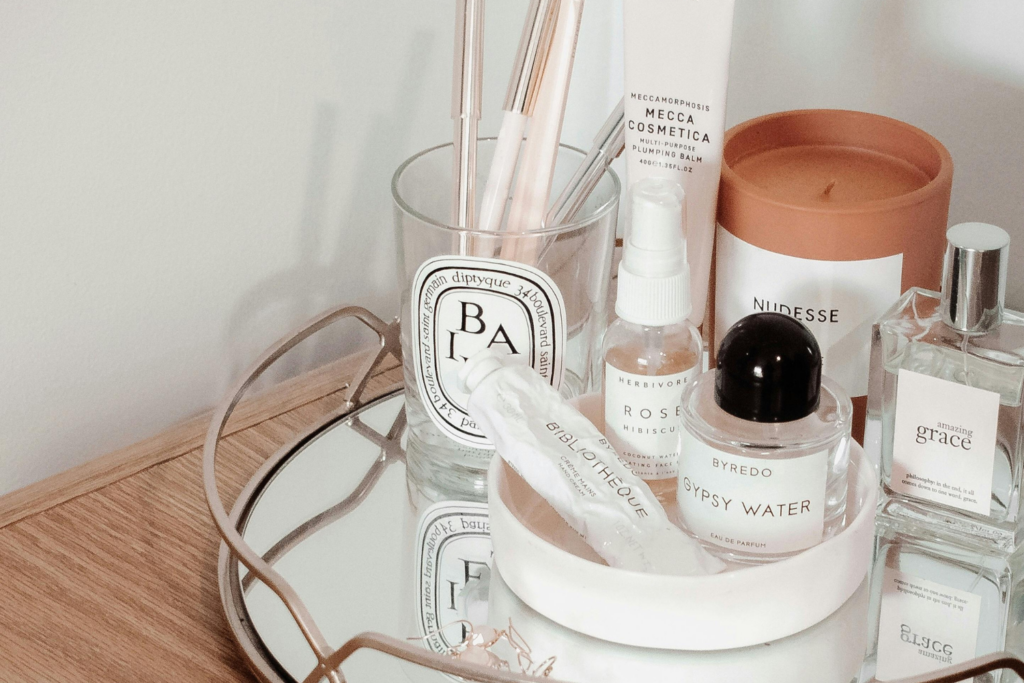
Why ingredients hit differently on sensitive skin
When your skin is sensitive or reactive, your barrier is already a little compromised. Think of it like a wall with cracks in it. Things get through that wouldn’t otherwise. Ingredients that are completely fine for someone else can feel overwhelming, irritating, or even painful on your skin, not because your skin is dramatic, but because it genuinely has less protection.
And when you layer multiple products that each contain irritating ingredients, that’s when things really start to spiral. It’s not any one thing. It’s the accumulation.
Ingredients worth paying attention to
This isn’t a scare list. You don’t need to fear every ingredient or spend an hour analyzing every label. But if your skin is reactive, these are the ones that come up most often as culprits.
Fragrance (including “natural” fragrance)
Fragrance is one of the most common causes of skin irritation, full stop. And it’s sneaky. Even products labeled “clean” or “natural” often contain essential oils or botanical blends that fall under the fragrance umbrella. If a product lists “fragrance,” “parfum,” or even just “natural fragrance” and your skin is sensitive, it’s worth a second look. Fragrance-free is almost always the safer choice.
Essential oils
They sound gentle and natural, and that’s exactly why so many people don’t suspect them. But lavender, citrus oils, peppermint, eucalyptus — these can all be surprisingly irritating, especially on already reactive skin. “Natural” doesn’t automatically mean skin-friendly.
Denatured alcohol (Alcohol Denat.)
This type of alcohol shows up in a lot of products to make them feel lightweight or fast-absorbing. It works, but it also strips moisture from your skin and weakens your barrier over time. If you’ve ever used a product that left your skin feeling tight or dry immediately after, alcohol might be the reason.
Harsh or frequent exfoliation
Exfoliation isn’t inherently bad, but for sensitive skin, the threshold is much lower than most people realize. Daily exfoliating acids, rough scrubs, or strong peels can leave your skin inflamed and even more reactive than before. If you’re exfoliating more than once or twice a week and your skin is constantly irritated, this is the first thing to pull back on.
Too many actives at once
Retinol, vitamin C, AHAs, BHAs — individually, these can be great ingredients. But using several of them together, especially on sensitive skin, is usually too much. More actives don’t mean faster results. For reactive skin, they usually mean more irritation and a barrier that never gets a chance to recover.
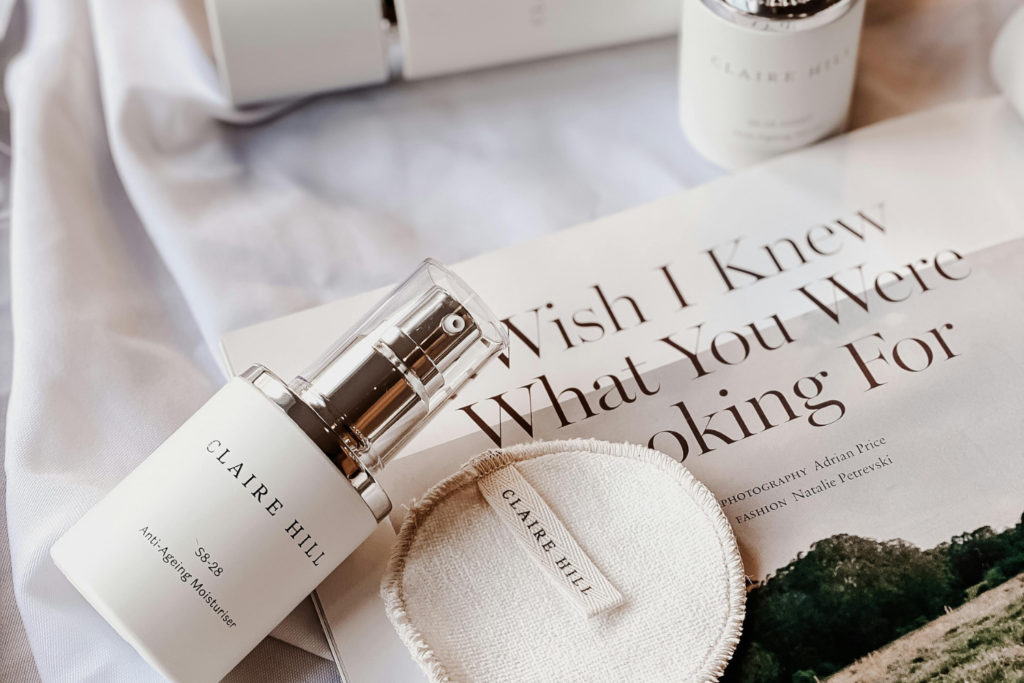
Why these ingredients cause so much trouble
Your skin isn’t being difficult. It’s overwhelmed and trying to protect itself. When your barrier is weakened, these ingredients can increase inflammation, cause redness and burning, trigger breakouts that take forever to heal, and gradually make your skin more reactive over time, not less.
And the really frustrating cycle? You react to something, you switch products trying to fix it, and then you react to something in the new product too. It keeps going because the barrier never gets a real chance to heal.
What to use instead
Knowing what to avoid is helpful, but knowing what your skin actually responds well to is the more useful half of the equation.
Fragrance-free formulas — and look for “fragrance-free,” not just “unscented.” Unscented products can still contain fragrance ingredients used to mask other smells. The fewer unnecessary ingredients overall, the better.
Barrier-supporting ingredients — ceramides, glycerin, and hyaluronic acid are the unglamorous workhorses of sensitive skincare. They’re not trendy, but they help your skin repair itself, hold onto moisture, and calm down over time. If you’re building a product lineup for reactive skin, these are the ingredients you want to see near the top of the list.
A simpler, more consistent routine — this is honestly the biggest shift. It’s not just about swapping one product for another. It’s about reducing the overall load on your skin and giving it enough time to actually stabilize. If you need a starting point for what that looks like practically, I put together a full routine here → Minimal Skincare Routine for Sensitive Skin (Step-By-Step)
How to read ingredient lists without going down a rabbit hole
You don’t need to memorize every ingredient or run every product through an online checker before you buy it. That path leads to overwhelm pretty quickly.
Instead, keep it simple. Scan for the obvious ones: fragrance, parfum, alcohol denat., and essential oils near the top of the list. Beyond that, pay attention to how your skin actually responds. Does it feel calm after using something? Does it sting or get red? Your skin will give you more useful feedback than any ingredient database.
If something consistently makes your skin react, trust that, even if the product has good reviews or sounds like it should be gentle.
The bigger picture
You don’t need to be afraid of every product or avoid everything on this list forever. Some people with sensitive skin tolerate certain ingredients just fine. It really does vary. But if your skin is constantly reacting and you’re not sure where to start, removing the most common irritants is one of the most effective first steps you can take.
Pair that with a simple routine, and that’s usually when things finally start to settle.
If you’re still trying to figure out why your skin keeps reacting in the first place, this might help → Why Your Sensitive Skin Is Always Reacting (And What to Do Instead)
The bottom line
You don’t need more products. You need fewer triggers. Less irritation, more support, and enough consistency to let your skin actually heal. That’s what moves the needle for sensitive skin, not finding the perfect serum, but removing the things that are quietly making it worse.
Ready to give your skin a real reset?
If your skin has been overwhelmed and you’re not sure where to start, The 5-Day Gentle Skin Reset was made for exactly this moment. It’s a simple, free guide that walks you through 5 days of intentional simplicity. No complicated routines, no overwhelming ingredient lists, just clear and gentle steps to help your skin calm down and start recovering.
Your skin isn’t difficult. It just needs a softer approach. Grab your free reset below.🤍