Best Sunscreen for Sensitive Skin (No Irritation, No White Cast)
This post may contain affiliate links, which means I may earn a small commission at no extra cost to you.
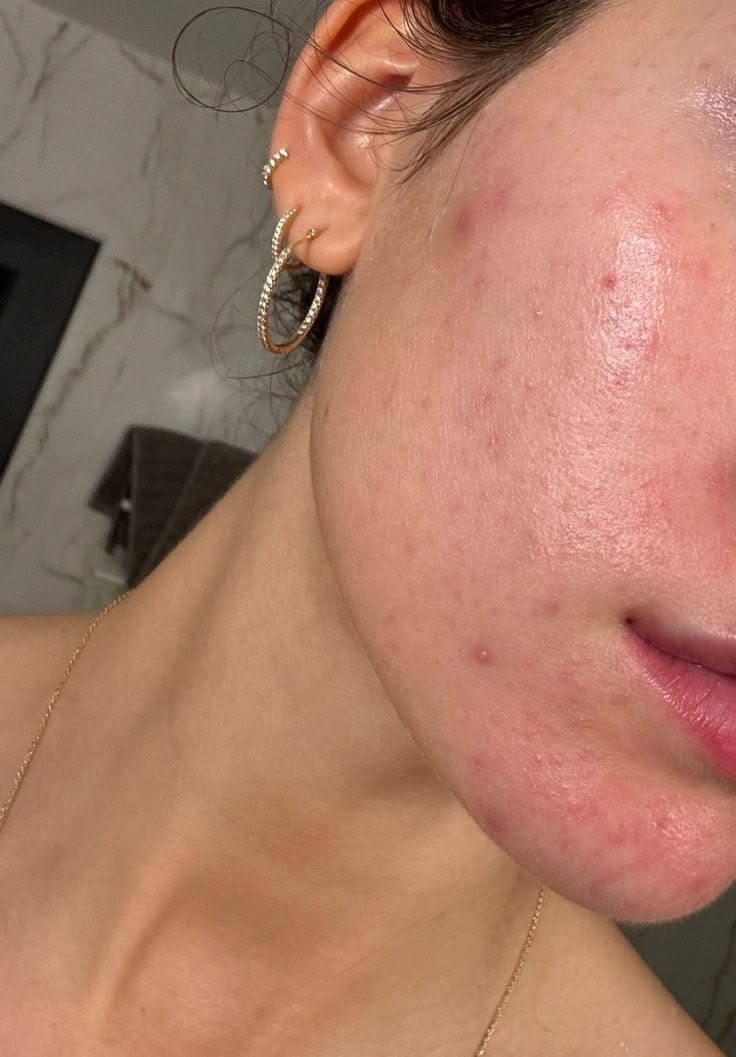
If sunscreen has always felt like something you just have to survive (the stinging, the breakouts, the heaviness, the white cast that makes you look like a ghost), I want you to know that’s not just the nature of sunscreen. That’s the wrong sunscreen for your skin.
A lot of people with sensitive skin give up on SPF because every option they’ve tried has caused some kind of reaction. And honestly, that makes sense given what’s in most formulas. But the right sunscreen for sensitive skin shouldn’t burn, shouldn’t pill, and shouldn’t make your skin worse. It should feel like nothing at all, just calm, lightweight protection you forget you’re wearing.
Here’s how to find that.
Why sunscreen irritates sensitive skin
Most sunscreen reactions come down to two things: the wrong ingredients and formulas that weren’t designed with compromised skin in mind.
A lot of popular sunscreens contain fragrance (sometimes listed as “natural fragrance” or hidden inside botanical extracts) along with alcohol to keep the texture lightweight and chemical UV filters that absorb into the skin rather than sitting on top of it. For skin with a healthy barrier, these things might be fine. For already-reactive skin, they can trigger stinging, redness, and breakouts almost immediately.
The good news is that once you know what to look for, finding a sunscreen your skin can actually tolerate gets a lot easier. And if you want a deeper breakdown of the most common irritating ingredients, I covered them in detail here → Ingredients to Avoid for Sensitive Skin (And What to Use Instead)
What to look for
Mineral filters
Zinc oxide and titanium dioxide. Unlike chemical sunscreens, mineral formulas sit on top of the skin rather than absorbing into it. That distinction matters for sensitive skin because it generally means less irritation, less stinging, and a lower chance of triggering a reaction. If you’ve always had trouble with sunscreen, this is the most important switch you can make.
Fragrance-free (not just unscented)
These are not the same thing. Unscented products can still contain fragrance ingredients used to mask the smell of other ingredients. Always look for “fragrance-free” specifically and check for essential oils and botanical extracts too. These count as fragrance for sensitive skin purposes.
Minimal ingredients overall
The fewer unnecessary extras in the formula, the less chance of something causing a reaction. A short, straightforward ingredient list is almost always a good sign for reactive skin.
Barrier-supporting ingredients
Ceramides, glycerin, and hyaluronic acid in a sunscreen formula aren’t just a bonus. They actively help support your skin while protecting it. If you can find a formula that includes these, even better.
Some options worth trying
These are sunscreens that tend to be well-tolerated by sensitive and reactive skin and come up consistently for good reason.
Best overall (gentle + widely tolerated)
EltaMD UV Clear SPF 46. Lightweight, contains niacinamide to help calm redness, and works well for both sensitive and acne-prone skin. One of the most widely recommended options in the sensitive skin community.
Best drugstore option
Blue Lizard Sensitive Mineral Sunscreen SPF 50. A simple, mineral-based formula designed for easily irritated skin. Slightly thicker in texture, but extremely gentle, fragrance-free, and reliable when your skin is in a reactive phase.
Best for dry, sensitive skin
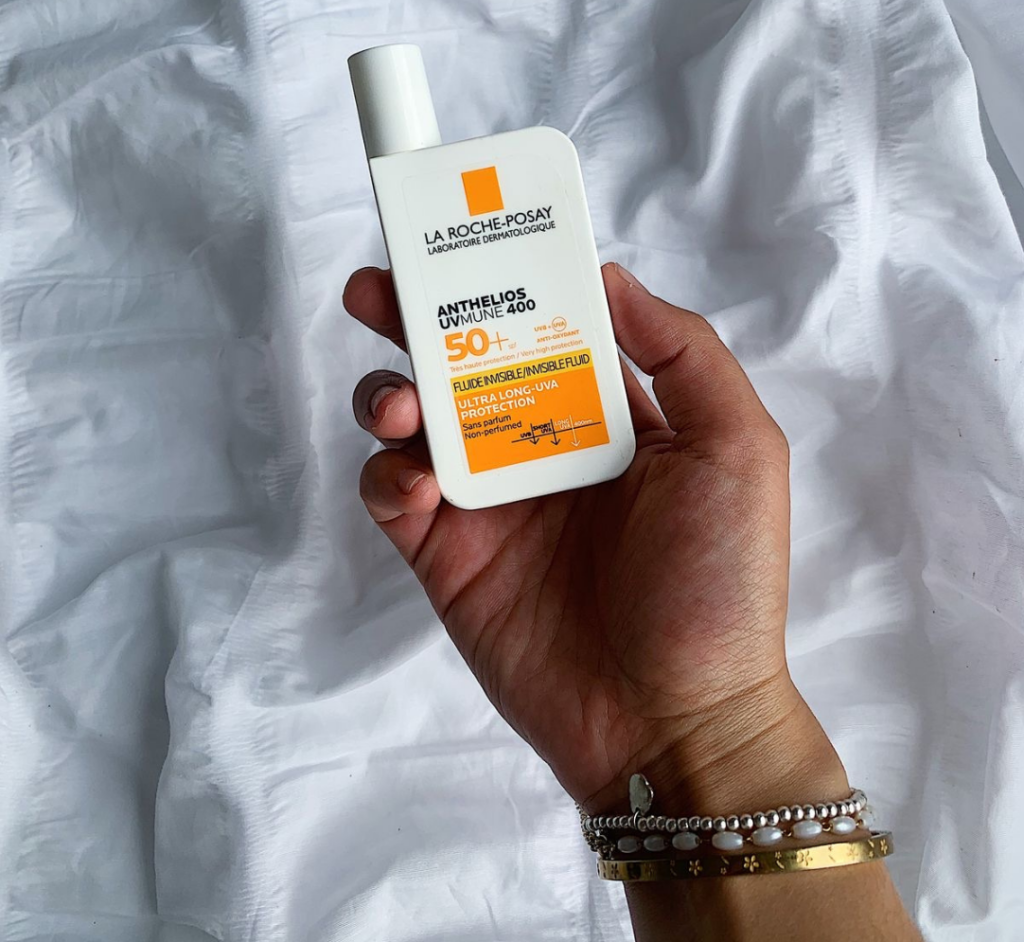
La Roche-Posay Anthelios Mineral SPF 50. Hydrating, minimal irritation, and a brand that’s long been trusted for reactive skin. A good option if your skin also tends to be dry.
Best lightweight / no heavy feel
Neutrogena Sheer Zinc SPF 50. Simple formula, good protection, and on the more affordable end. Can leave a slight white cast depending on your skin tone, so worth patch testing first.
What to avoid
Even products marketed as gentle can still cause issues. The ingredients most likely to cause problems on sensitive skin are fragrance and parfum in any form, essential oils, alcohol denat., and overly complex formulas with a long list of actives. Something being popular or well-reviewed doesn’t mean it’s right for your skin. Trust your skin’s response over anyone else’s recommendation, including ours.
A few simple tips for applying sunscreen without irritation
Apply it as your last step, after moisturizer. If your skin is particularly reactive right now, try a small amount on one area first before applying all over. And try not to layer too many active ingredients underneath. The more your skin is already dealing with, the more likely it is that even a gentle sunscreen will feel like too much.
The bottom line
Sunscreen shouldn’t hurt. If it does, that’s not your skin being difficult. It’s just not the right formula for your skin. The fix isn’t to skip SPF (your skin needs it, especially when it’s already reactive and inflamed). The fix is finding one with fewer ingredients, no fragrance, and a mineral base.
Give it consistency and it becomes one of the most protective things you can do for sensitive skin over time.
If you want to see how sunscreen fits into a full simple routine, I’ve laid it all out step by step here → Minimal Skincare Routine for Sensitive Skin (Step-by-Step)
Want gentle guidance delivered straight to your inbox?
If you’re ready to stop guessing and start actually understanding your skin, come join the Gentle Skin Club. You’ll get simple routines, honest product recommendations, and real support for sensitive and reactive skin without the overwhelm.
Your skin deserves a gentler approach. Let’s find it together. 🤍