Do You Need Hypochlorous Acid for Sensitive Skin? (What to Know Before You Try It)
This post may contain affiliate links, which means I may earn a small commission at no extra cost to you.
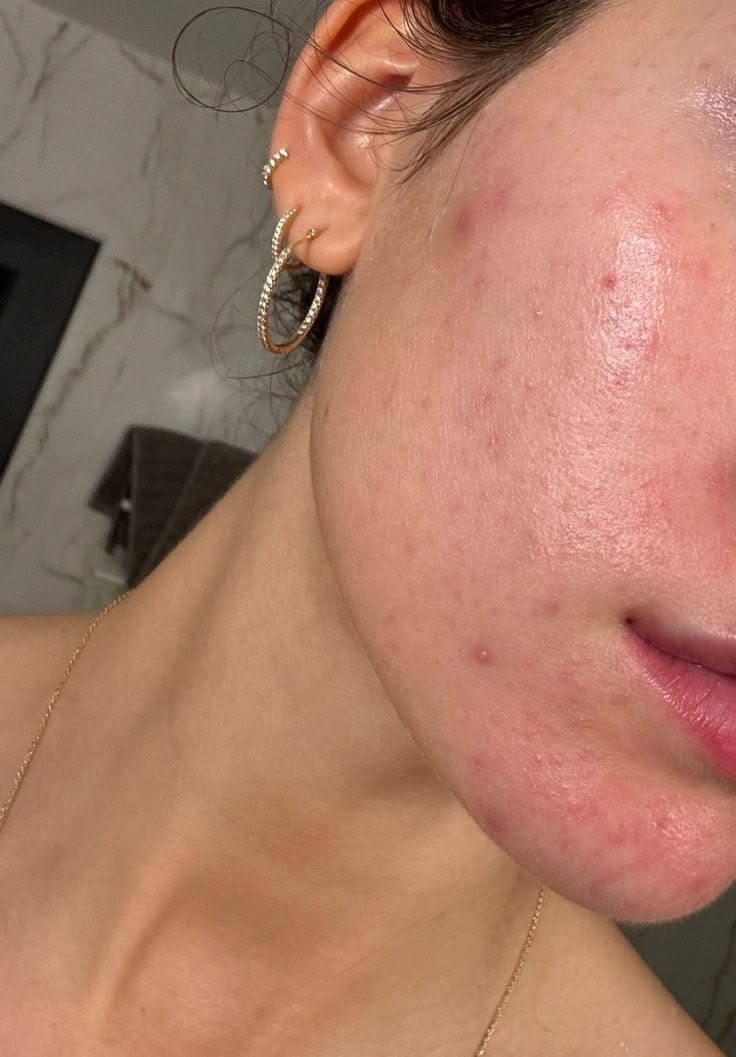
If you’ve been seeing hypochlorous acid pop up everywhere lately (on TikTok, in clean beauty spaces, recommended by estheticians), you’re not imagining it. It’s had a real moment and for good reason. But if you have sensitive or reactive skin, the name alone might give you pause. Acid doesn’t exactly sound gentle.
The thing is hypochlorous acid is actually one of the more interesting ingredients to know about for sensitive skin specifically. It’s not the kind of acid you’re thinking of. And whether or not you actually need it is worth understanding before you spend money on it.
What is hypochlorous acid?
Hypochlorous acid sounds intimidating but it’s actually something your own body produces naturally. Your white blood cells make it as part of your immune response to fight bacteria and reduce inflammation. In skincare it’s synthesized to replicate that same function. It’s antimicrobial, anti-inflammatory, and soothing in a way that most “active” ingredients aren’t.
It’s also extremely gentle. Unlike exfoliating acids like AHAs and BHAs, hypochlorous acid isn’t doing anything aggressive to your skin. It’s not removing layers, stimulating cell turnover, or disrupting your barrier. It’s essentially just calming things down and keeping bacteria in check, which is exactly why it’s been getting attention for sensitive, reactive, and acne-prone skin.
What does it actually do?
The main things hypochlorous acid is useful for are:
It helps reduce inflammation and redness. Because it mimics your body’s own immune response, it’s really effective at calming irritated skin without adding more stress to it. If your skin is in a reactive phase, this is one of the few things you can reach for that’s unlikely to make things worse.
It’s antimicrobial without being harsh. It helps control bacteria on the surface of the skin, which is relevant for acne-prone skin and for anyone who finds their skin gets congested or breaks out easily. Unlike benzoyl peroxide or strong acne treatments, it does this without stripping or irritating your barrier in the process.
It can help with wound healing and post-breakout recovery. Because of its origins in the body’s healing process, it’s often recommended for helping skin recover from breakouts, minor irritation, or post-procedure redness. Some estheticians use it as a calming step after extractions or treatments for this reason.
It’s well tolerated even on compromised skin. This is the part that makes it so interesting for sensitive skin. It’s one of the few active-adjacent ingredients that you can often use even when your barrier is stressed because it’s not asking your skin to do anything it isn’t already doing.
So do you actually need it?
Honestly, probably not as an essential. But it might be a useful addition for the right person.
If your skin is currently reactive, inflamed, or in the middle of a flare-up, hypochlorous acid is one of the few things you might actually reach for without worrying too much about it making things worse. It’s not going to fix a damaged barrier on its own, but it can help calm surface inflammation while your skin is recovering.
If you deal with regular breakouts alongside sensitivity, it’s worth trying. The combination of antimicrobial and anti-inflammatory benefits without the harshness of traditional acne ingredients makes it a pretty sensible option for that specific combination.
If your skin is calm and stable and your routine is already simple and working well, it’s a nice optional extra but it’s not something you need to rush out and buy. It’s not going to transform skin that’s already doing well. It’s more of a targeted tool than a foundational product.
And if you’re in the middle of stripping your routine back to basics to let your skin recover, hold off for now. Get your cleanser, moisturizer, and sunscreen working first. Once things are stable you can consider whether it’s something that makes sense for your specific concerns.
How to use it
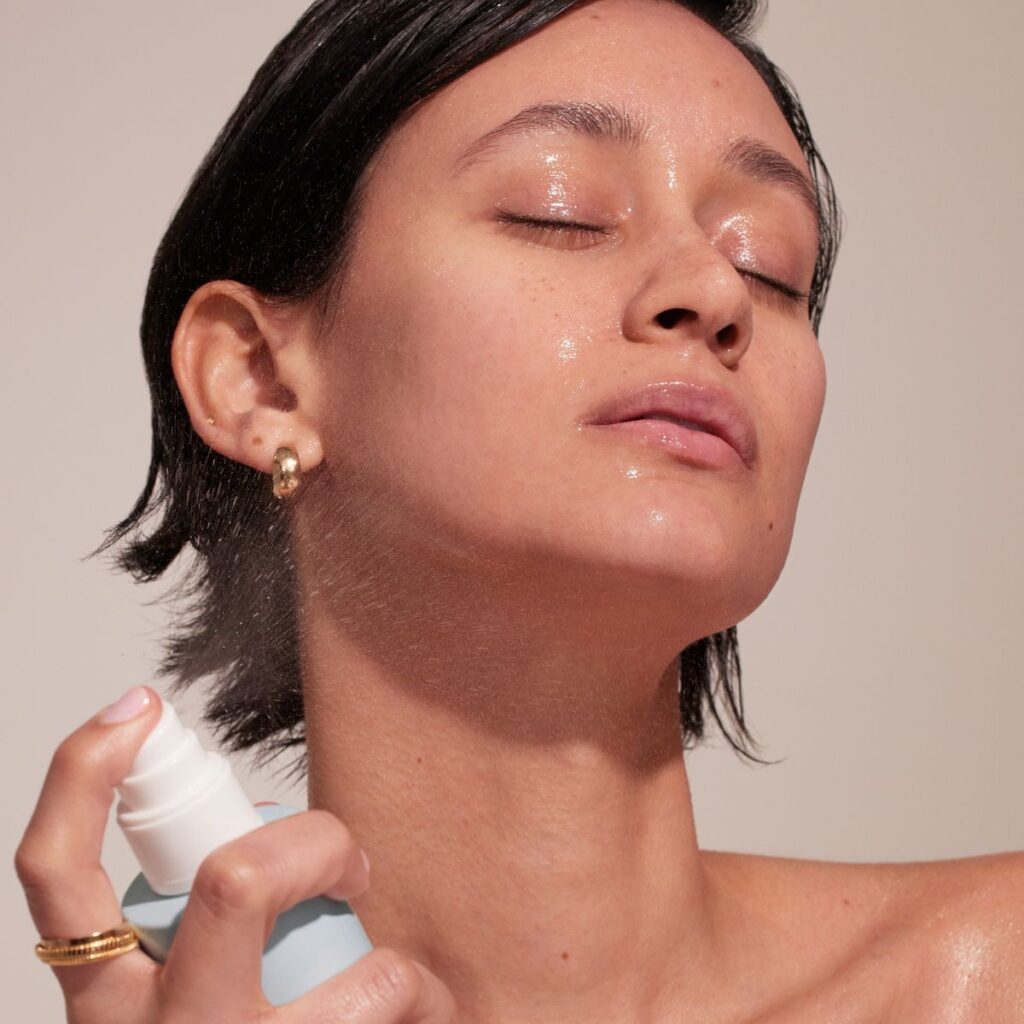
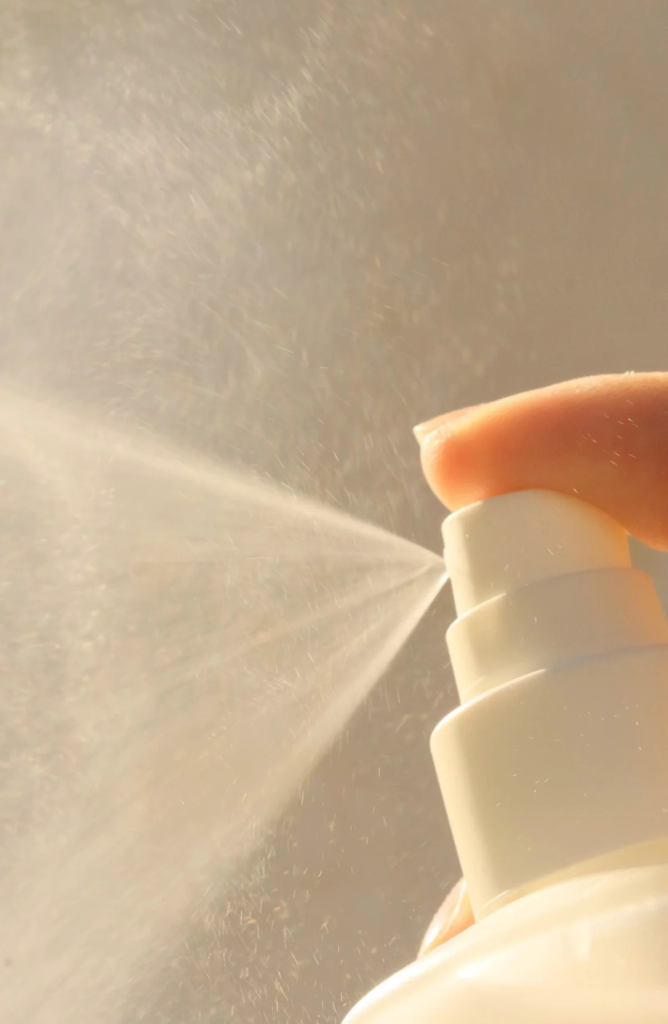
Hypochlorous acid typically comes in a spray format which makes it really easy to use. Most people apply it after cleansing and before moisturizer. You just mist it onto your skin, let it absorb for about 30 seconds, and then continue with the rest of your routine. Some people also use it throughout the day as a refreshing mist or right after exercise to calm any post-workout flushing.
Because it’s so gentle, it generally doesn’t need to be patch tested the way more active ingredients do, however if your skin is very reactive it’s always worth starting slowly with anything new.
One thing to know is that hypochlorous acid is unstable and breaks down over time when exposed to light and air. That’s why a lot of formulas come in dark or opaque packaging and have shorter shelf lives than other skincare products. Check the expiration date and store it properly to make sure it’s actually active when you use it.
Some options worth trying
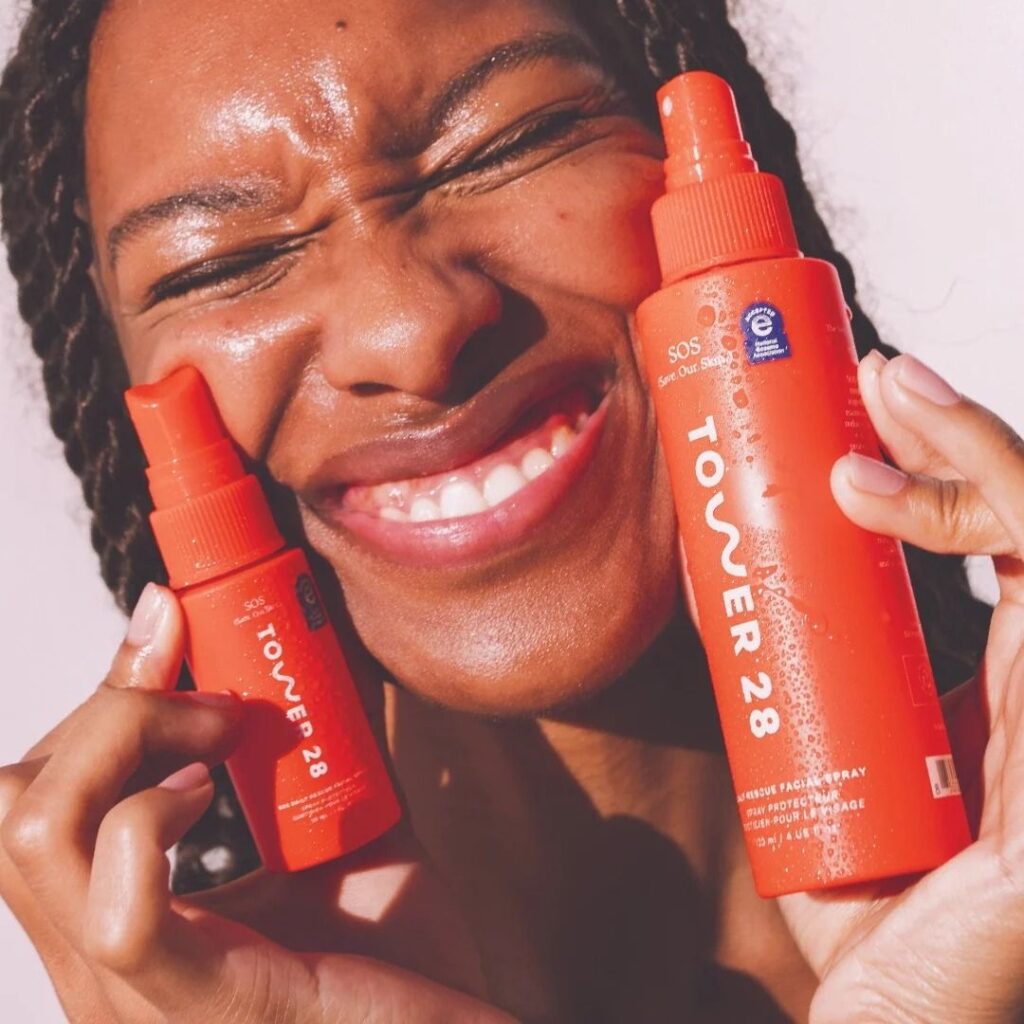
Tower 28 SOS Daily Rescue Facial Spray. This is probably the most well-known hypochlorous acid product and for good reason. It’s simple, fragrance-free, and consistently well tolerated even by very sensitive and reactive skin. A good starting point if you’re curious about the ingredient.
Briotech Topical Skin Spray. Another widely recommended option with a very minimal ingredient list. Often used by estheticians and recommended for post-procedure skin, which tells you a lot about how gentle it actually is.
Mario Badescu Repairing HOCl Facial Spray. A trusted name in skincare bringing hypochlorous acid into a well-formulated, fragrance-free spray. It carries the National Eczema Association Seal of Acceptance, which says a lot about how gentle it actually is. Good Housekeeping named it the best value hypochlorous acid spray. A solid option if you want something reliable from a recognizable brand.
SkinSmart Antimicrobial Facial Cleanser Spray. A minimal, no-frills formula with just hypochlorous acid, ionized water, and a little salt. FDA-cleared and dermatologist-backed, it’s a really clean option for sensitive skin that doesn’t want anything extra in the formula.
When choosing, look for fragrance-free formulas, minimal additional ingredients, and opaque or airtight packaging to keep the formula stable.
What it won’t do
Just to set realistic expectations: hypochlorous acid isn’t going to replace your moisturizer, repair a damaged barrier on its own, or dramatically transform your skin. It’s a calming and antimicrobial tool, useful for the right concerns, but not a miracle ingredient and not something every sensitive skin person needs in their routine.
It also won’t fix the underlying issues if your routine is too complicated or full of irritating ingredients. If your skin is constantly reacting, simplifying everything else is still the most important first step.
If you want a starting point for what that actually looks like, this covers it → How to Calm Irritated Skin (Simple Routine That Actually Works)
The bottom line
Hypochlorous acid is one of the gentler, more interesting ingredients to come out of the recent clean skincare wave and unlike a lot of trending ingredients, the hype is at least partially backed up by how it actually performs on sensitive skin. It’s anti-inflammatory, antimicrobial, and generally well tolerated in a way that most actives aren’t.
Do you need it? Not necessarily. But if you’re dealing with reactive skin, regular breakouts, or just want something calming to reach for during a flare-up, it’s one of the more sensible additions you can make to a minimal routine.
Ready to reset your routine first?
If your skin has been reactive and you’re not sure where to start, The 5-Day Gentle Skin Reset was made for exactly this. It’s a free five-day guide that walks you through simplifying everything so your skin can actually calm down and recover. No overwhelming steps, no complicated ingredient lists, just clear gentle guidance one day at a time.
Grab your free reset here. 🤍