Signs Your Skin Barrier Is Damaged (And How to Fix It)
If your skin has suddenly started feeling more sensitive than usual (burning when you apply products, stinging for no obvious reason, reacting to things it used to handle completely fine), there’s a good chance your skin barrier is damaged. And once that happens, everything becomes harder to manage. Products that worked before stop working. Your skin feels unpredictable. And the more you try to fix it, the worse it seems to get.
Sound familiar? Here’s what’s actually going on and what to do about it.

What your skin barrier actually is
Your skin barrier is the outermost layer of your skin, and its job is pretty straightforward: keep moisture in, keep irritants out. When it’s healthy, your skin feels calm, comfortable, and balanced. When it’s compromised, that protective function breaks down. Moisture escapes faster than it should, irritants get through more easily, and your skin essentially loses its ability to protect itself. That’s when the redness, sensitivity, and never-ending dryness start.
Signs your barrier might be damaged
A few of these showing up at the same time is usually a pretty clear signal something is off with your barrier:
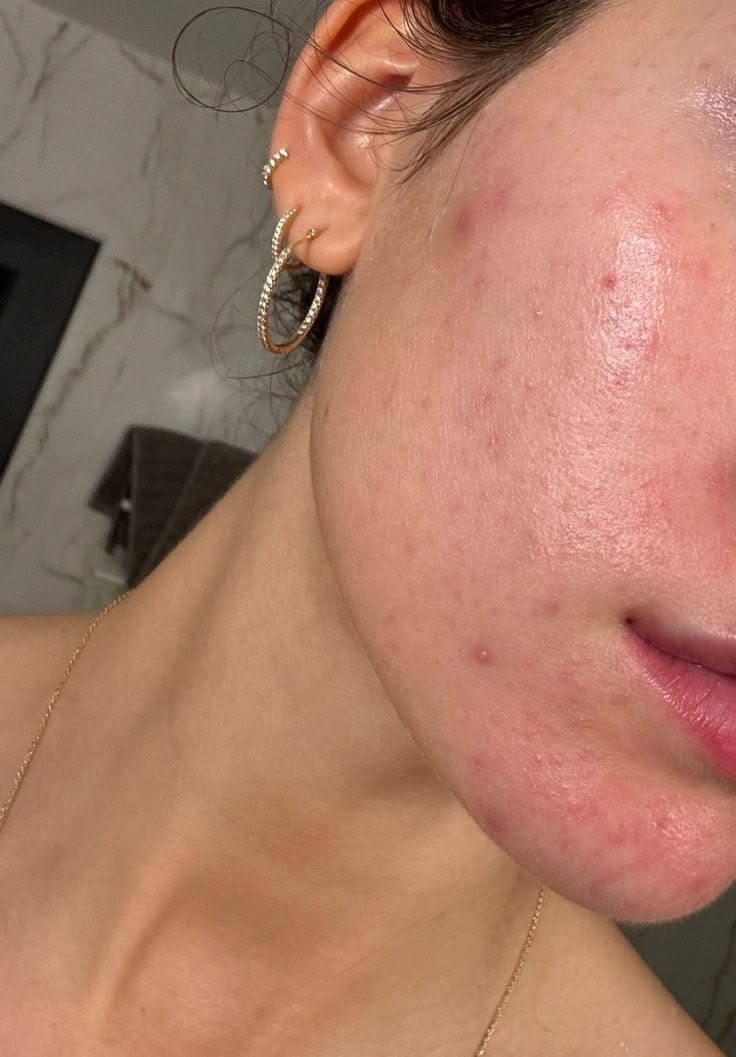
Your skin burns or stings when you apply products, even gentle ones. You’re dealing with redness or irritation that doesn’t seem to have a clear cause. Your skin feels dry no matter how much moisturizer you use. You’re breaking out and experiencing sensitivity at the same time which feels contradictory but makes total sense when your barrier is compromised. Products that used to work suddenly don’t anymore. Your skin feels tight and uncomfortable right after washing.
The instinct at this point is usually to reach for something stronger or more targeted. But that almost always makes things worse. Your skin doesn’t need more right now, it needs less.
What usually causes it
Most barrier damage comes down to a handful of really common things. Over-exfoliation is probably the biggest one. Using acids or scrubs too frequently, even gently, doesn’t give your barrier time to recover between sessions. Using too many active ingredients at once or constantly switching products and routines keeps your skin in a permanent state of adjustment and never lets it settle. Harsh cleansers that leave your skin feeling tight or stripped after washing are disrupting your barrier every single day. And ingredients like fragrance, essential oils, and alcohol denat. can wear your barrier down over time even when they don’t cause an obvious immediate reaction. Environmental factors like cold weather, dry air, and sun exposure add to it too.
It’s rarely one thing. It’s usually the accumulation of several things over time.
How to actually fix it
Here’s the part that surprises most people: fixing a damaged barrier is very simple. It just requires patience.
Strip your routine back to basics. A gentle cleanser, a simple moisturizer, and sunscreen during the day. That’s it for now. Everything else gets paused. If you need a concrete starting point, I laid out a full minimal routine here → Minimal Skincare Routine for Sensitive Skin (Step-by-Step)
Make sure your cleanser isn’t making things worse. If it leaves your skin feeling tight, dry, or squeaky after washing, it’s too harsh and it’s disrupting your barrier every time you use it. Swap it for something gentle → Best Face Wash for Sensitive Skin (Gentle Cleansers That Won’t Irritate)
Put your focus on your moisturizer. This is where most of the actual repair happens. Look for ceramides, glycerin, and hyaluronic acid. These are the ingredients that help your barrier rebuild itself and hold onto moisture properly → Best Moisturizers for Sensitive Skin (Gentle, Non-Irritating Picks)
Pause your actives. Exfoliating acids, retinoids, strong treatments. All of it gets benched for now. Your skin cannot repair itself while it’s constantly being pushed. This isn’t permanent, it’s just a reset.
Remove the common irritants. Fragrance, essential oils, alcohol denat. Even small amounts of these can slow down your recovery significantly. The cleaner and simpler your products are right now, the faster your skin can heal → Ingredients to Avoid for Sensitive Skin (And What to Use Instead)
What not to do
Just as important as everything above: don’t keep switching products trying to find something that works faster. Don’t push through irritation thinking your skin will adjust. And don’t add more products to try to fix the problem. That’s almost always what caused it in the first place.
More is not the answer here. Less is.
How long does it take?
Most people start noticing real improvement within one to three weeks of simplifying their routine and removing irritants. Full recovery depends on how consistently you stick with it and how compromised your barrier was to begin with.
The most common mistake is stopping too early. Seeing a little improvement and immediately reintroducing products or actives before your skin has had enough time to fully stabilize. Give it more time than you think you need.
The bottom line
If your skin has suddenly become reactive and unpredictable, it’s almost never random. Your barrier is damaged and it’s trying to tell you something needs to change. The answer isn’t doing more, it’s doing less, staying consistent, and giving your skin the space it needs to actually recover.
Simplify. Remove irritants. Support your barrier. That’s what works.
Ready to give your skin a real reset?
If your skin has been overwhelmed and you’re not sure where to start, The 5-Day Gentle Skin Reset was made for exactly this moment. It’s a simple, free guide that walks you through 5 days of intentional simplicity. No complicated routines, no overwhelming ingredient lists, just clear and gentle steps to help your skin calm down and start recovering.
Your skin isn’t difficult. It just needs a softer approach. Grab your free reset below.🤍